Filling Gaps and Cracks with Polyurethane Sealant
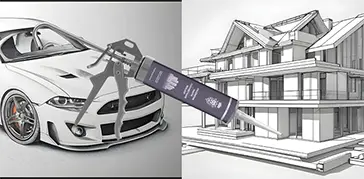
Polyurethane sealant is one of the most effective solutions for filling gaps and cracks in the construction and automotive industries. Thanks to its flexible structure and high adhesive strength, the sealant provides long-lasting filling and insulation. This article will detail polyurethane sealant gap and crack filling techniques, surface preparation, and industry-specific tips.
1. Surface Preparation
- The surface around gaps and cracks should be cleaned and dried.
- Dust, dirt, and oil residue can prevent sealant from adhering.
- If necessary, the crack can be widened to provide better filling.
2. Sealant Application Techniques
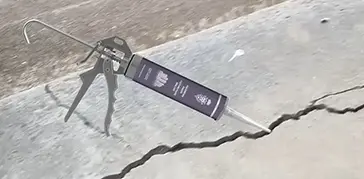
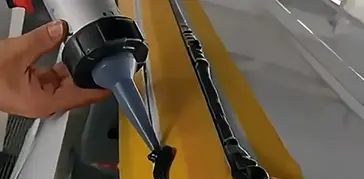
- Sealant should be applied to cracks and voids with even pressure using a tube or cartridge.
- The filling should be done without leaving air bubbles, and overflow should be prevented on the surface.
- Layered application should be preferred for large spaces.
3. Filling Voids and Cracks in the Construction Industry
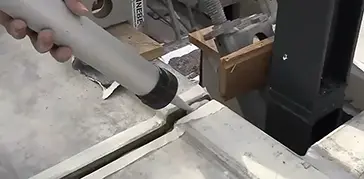
- At wall, ceiling, and window joints, the sealant should completely fill the gaps.
- To ensure water and sound insulation, the filling should be applied at even pressure.
- If there is any overflow in the joints and cracks, it should be smoothed out with a spatula.
4. Gap and Crack Filling in the Automotive Industry
- Gap filling with sealant should be applied at the door, engine hood, and trunk joints.
- Expansion properties in confined spaces must be taken into consideration.
- Care should be taken to ensure the surface dries properly after application and that the sealant retains its elasticity.
5. Performance and Durability
- With the right sealant, the risk of cracking and leakage is reduced.
- It provides long-lasting insulation and protects surfaces.
- Incorrect application can lead to incomplete filling in gaps or cracks.
6. Application Tips
- Expansion control can be achieved through layered application.
- The depth and width of the gap should be adjusted according to the mastic expansion rate.
- Pressure should not be applied during the drying period after application.
7. Sector-Focused Recommendations
- In the construction industry, cracks and voids must be filled evenly and watertight.
- In the automotive industry, fillers improve vibration and water insulation.
- Surface cleaning, dryness, and proper application maximize the performance of the sealant.
The information in this text may vary from time to time depending on the manufacturer. Always check the product label.