Different Types of Polyurethane Sealant
Polyurethane sealants are produced in various types to meet different needs in the construction and automotive industries. Each type of sealant is optimized for specific applications and surfaces. In this article, we will examine the types of polyurethane sealants, their areas of use, and industry-specific recommendations in detail.
1. Elastic Sealant
Elastic sealant prevents cracking and stretching by providing high flexibility:
- It is used in wall and ceiling joints, and in window and door connections.
- It absorbs deformations caused by vibrations and movements of structures.
- It is preferred in construction and automotive applications requiring flexible filling.
2. Fast Curing Sealant
The fast-curing sealant hardens quickly after application:
- It provides an advantage in urgent projects or high-speed production lines.
- It enables the rapid filling of joints on the production line in the automotive industry.
- Because the drying time is short, it must be applied carefully, otherwise a proper filling may not be achieved.
3. Structural Sealant
Structural sealant is a type of sealant that provides high durability and structural support:
- It is used in load-bearing areas at the junctions of walls, ceilings, and concrete.
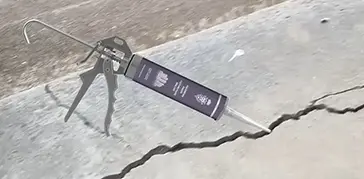
- It preserves structural integrity by filling cracks and gaps.
- In the automotive industry, it provides durable sealant at the joints between the vehicle body and chassis.
4. Sealant for Insulation Purposes
There are also types of sealants that provide sound, water, and air insulation:
- It provides airtight and waterproof seals at wall, window, and door joints.
- In the automotive industry, it provides sound and water insulation at the joints of the trunk, engine hood, and doors.
- Layered and careful application ensures long-lasting insulation.
5. Sector-Focused Usage Recommendations
- The use of elastic and structural sealants at joints and connection points is recommended in the construction industry.
- In the automotive industry, fast-curing and insulation sealants are preferred for production line and vehicle comfort.
- Surface preparation and drying times should be applied to all types of surfaces.
6. Application Techniques
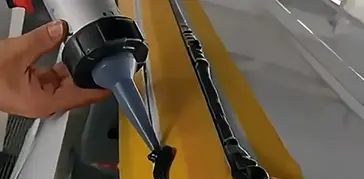
- The sealant should be applied smoothly and evenly using a gun or spatula.
- Layered application should be preferred in areas requiring thicker filling.
- To avoid air bubbles, the product should be applied by pressing firmly onto the surface.
- For all types of sealants, the manufacturer's recommendations should be followed, and the sealant suitable for the surface should be selected.
7. Maintenance and Inspection
- Areas where mastic has been applied should be checked regularly.
- If cracking or separation occurs, intervention is required.
- In exterior facade applications, the effects of UV rays and sunlight should be observed.
The information in this text may vary from time to time depending on the manufacturer. Always check the product label.