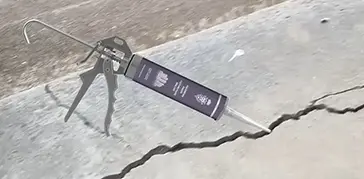
Polyurethane Sealant Surface Preparation
In polyurethane sealant applications, surface preparation is a critical step for product performance and long-lasting results. In the construction and automotive industries, sealants adhere and provide insulation much more effectively on clean and smooth surfaces. This article will detail surface preparation techniques, tips, and industry-specific recommendations.
1. Surface Cleaning
- All dust, dirt, oil, and old sealant residue on the surface must be completely removed.
- Suitable solvents or mechanical methods can be used for cleaning.
- On dirty or oily surfaces, the sealant may have adhesion problems and gaps may form.
2. Drying and Humidity Control
- The surface must be completely dry; sealant should not be applied to damp or wet surfaces.
- In the automotive industry, the joints between doors, engine hoods, and trunks must also be free of moisture.
- Moisture can weaken the bond between the sealant and the surface, leading to reduced insulation.
3. Creating a Smooth Surface
- Surface irregularities, cracks, or pits must be corrected before applying the sealant.
- Pitted or sloping surfaces can reduce sealant performance.
- If necessary, the surface should be leveled with a primer or filler.
4. Using a Lining
- Using a primer on porous surfaces improves sealant adhesion.
- In the automotive and construction industries, specialized primers create a strong bond between the sealant and the surface.
- The drying time after primer application should be taken into consideration.
5. Joint and Gap Preparation
- Joint width and depth must be measured accurately.
- If necessary, a suitable backing tape or filler strip should be placed inside the joint.
- The gaps should be filled with a smooth compound, and the sealant should be applied with even pressure.
6. Surface Preparation Recommendations in the Construction Industry
- The surfaces at the junctions of walls, ceilings, and windows must be completely clean and dry.
- Joints and cracks should be prepared to the appropriate width, and a primer should be applied if necessary.
- In areas requiring thick filler, the surface should be leveled before layered application.
7. Surface Preparation Recommendations in the Automotive Industry
- The surfaces where the vehicle doors, engine hood, and trunk meet must be clean and dry.
- Old sealant, oil, or dirt residue must be removed, and the surface smoothed.
- Using a primer before application improves sealant adhesion and insulation performance.
8. Performance Enhancement Tips
- By paying attention to surface preparation and drying time, the performance of the sealant is maintained for a long time.
- The application should be done without leaving air bubbles and with even pressure.
- UV and moisture effects should be observed in exterior and vehicle applications.
The information in this text may vary from time to time depending on the manufacturer. Always check the product label.