Polyurethane Sealant Waterproofing
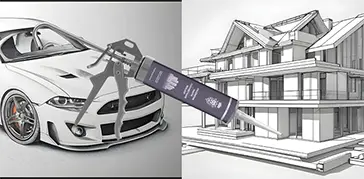
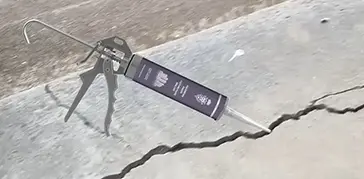
Polyurethane sealant is a frequently preferred material in both the construction and automotive industries for waterproofing. Applied to cracks, joints, and connection points, the sealant prevents water infiltration and preserves structural integrity. In this article, we will examine in detail the methods of waterproofing with polyurethane sealant, application techniques, and industry-specific tips.
1. The Importance of Waterproofing
- Water leaks cause both structural damage and moisture-related problems.
- Polyurethane sealant fills gaps, preventing water penetration.
- In the automotive industry, it provides water insulation and prevents corrosion at the joints of the trunk and engine hood.
2. Surface Preparation
- Dust, dirt, and grease residue on the surface must be cleaned.
- Allow damp surfaces to dry; do not apply directly to wet surfaces.
- Using a suitable primer on porous surfaces enhances insulation.
3. Application Techniques
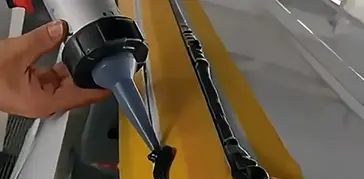
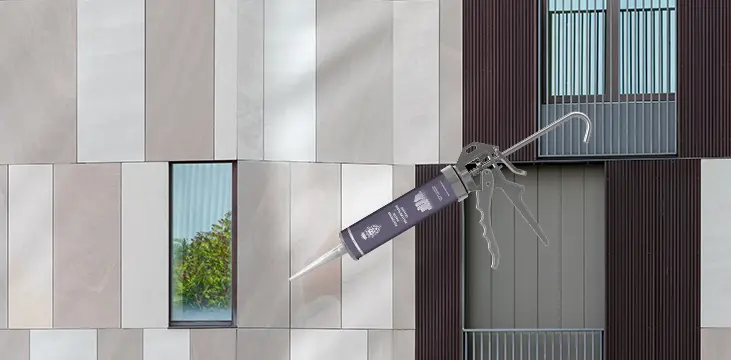
- The sealant should be applied using a gun or spatula to fill gaps and joints.
- Layered application should be preferred in areas requiring thicker filling.
- The sealant should be pressed evenly onto the surface, leaving no air bubbles.
- To ensure even filling of joints and cracks, the application angle and pressure must be controlled.
4. Waterproofing in the Construction Sector
- Bathroom, kitchen, and terrace joints should be sealed with mastic to prevent watertightness.
- In exterior applications, mastic provides protection against rain and moisture.
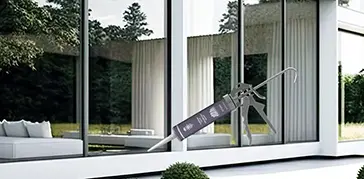
- Completely filling the joints during window and door installations improves water insulation.
5. Waterproofing in the Automotive Industry
- The joints between the trunk and the engine hood must be sealed with mastic to prevent water damage.
- Vibration and water insulation can be provided simultaneously at the door and body junction points.
- The drying time should be checked after application, and no pressure should be applied to the surface.
6. Curing Time and Maintenance
- The surface must be allowed to dry after applying the sealant.
- Cracks or separations may occur if the drying time is not carefully observed.
- In exterior facade applications, the effects of UV rays and sunlight must be controlled.
- With regular maintenance, the performance of the sealant can be maintained for a long time.
7. Suggestions for Increasing Water Insulation
- Layered and even application improves filling and insulation performance.
- By paying attention to surface preparation and drying time, long-lasting waterproofing is ensured.
- Post-application cleaning and maintenance ensure performance is maintained.
The information in this text may vary from time to time depending on the manufacturer. Always check the product label.