Polyurethane Sealant Sound Insulation
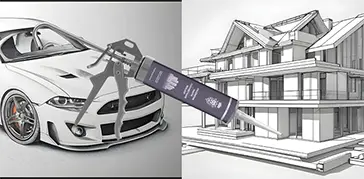
Polyurethane sealant offers an effective solution for sound insulation in the construction and automotive industries. The sealant absorbs vibrations and noise, providing comfort in living spaces and vehicles. This article will examine in detail the methods, application techniques, and industry-specific tips for sound insulation with polyurethane sealant.
1. The Importance of Sound Insulation
Noise and vibration control are important for both comfort and health:
- In the construction industry, sound insulation must be provided at the joints of walls, windows, and doors.
- In the automotive industry, sealants are used to improve in-vehicle comfort and reduce vibrations.
- Polyurethane sealant prevents the passage of sound waves by filling gaps.
2. Application Techniques
- Sealant should be used to fill gaps and joints with a sealant gun or spatula.
- Layered application enhances vibration and noise isolation.
- To avoid air bubbles, the sealant should be pressed evenly onto the surface.
- Surface cleaning and preparation are critical for effective sound insulation.
3. Sound Insulation in the Construction Sector
- The joints between windows and doors should be filled with mastic.
- Vibration can be prevented by using mastic at wall joints and ceiling joints.
- Layered application enhances sound insulation and ensures long-lasting results.
4. Sound Insulation in the Automotive Industry
- The gaps between the vehicle doors and body should be filled with sealant.
- Vibration and noise are reduced at the junctions of the trunk and engine hood.
- With layered and controlled application, the sealant absorbs vibration energy.
5. Maintenance and Inspection
- Joints where mastic has been applied should be checked regularly.
- If cracking or separation occurs, it should be addressed and additional treatment should be applied if necessary.
- In exterior facade applications, the effects of UV rays and sunlight should be monitored.
6. Suggestions for Increasing Sound Insulation
- Layered application improves filling and insulation performance.
- By paying attention to surface preparation and drying time, long-lasting sound insulation is ensured.
- Cleaning and maintenance after sealant application maintain performance.
The information in this text may vary from time to time depending on the manufacturer. Always check the product label.