Polyurethane Sealant Insulation Solutions
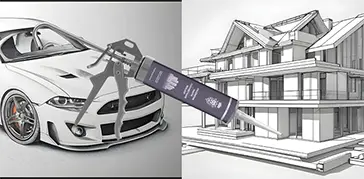
Polyurethane sealant is one of the most effective materials for insulation solutions in the construction and automotive industries. Used to provide air, water, and sound insulation, sealant delivers maximum performance with correct application techniques and drying times. In this article, we will examine in detail the insulation solutions provided by sealant, application methods, and industry-specific recommendations.
1. Air Insulation
Polyurethane sealant is used, in particular, to prevent air leaks in window, door, and facade joints:
- Airtightness is critical for energy efficiency and comfort.
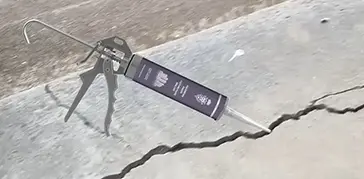
- Sealant fills gaps and cracks, preventing outside air from entering.
- A thick, layered application provides long-lasting air insulation.
2. Waterproofing
Mastic provides waterproofing thanks to its water-resistant properties:
- It prevents water leaks in bathroom, kitchen, and exterior wall joints.
- Applying mastic to wall and roof joints reduces the effects of rain and moisture.
- In the automotive industry, it provides water insulation at the junctions of the trunk and engine hood.
3. Sound Insulation
Polyurethane sealant is also an effective solution for sound insulation:
- It reduces vibrations and noise at wall and door joints.
- In the automotive industry, it is used at connection points to improve in-vehicle sound comfort.
- By using a layered application, it provides effective insulation by dissipating vibration energy.
4. Application Techniques
Things to consider when applying sealant for insulation purposes:
- Surface cleaning and preparation must be completed thoroughly.
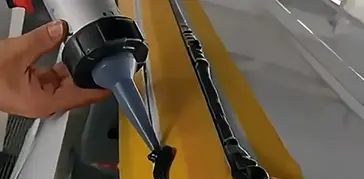
- A smooth filling should be achieved using a gun or spatula.
- For thick applications, a layering technique should be used, and each layer must be allowed to dry.
- The application angle and pressure must ensure that no gaps remain, especially at the joints.
5. Insulation Recommendations in the Construction Sector
- Completely filling the joints with mastic during window and door installations.
- UV and weather-resistant sealants are preferred for exterior facade applications.
- Ventilation should be ensured in damp areas after application.
6. Insulation Recommendations for the Automotive Sector
- Vehicle body joints should be sealed with mastic to prevent air and water ingress.
- Vibration and sound insulation should be checked at the trunk, engine hood, and door joints.
- Application should be done within the curing time, and no pressure should be applied to the surface.
7. Maintenance and Inspection
- Joints where mastic has been applied should be checked regularly.
- If cracking or deformation is observed, intervention or additional treatment should be applied.
- In exterior facade applications, the effects of UV rays and sunlight must be controlled.
8. Suggestions for Improving Insulation Performance
- Layered and even application improves filling and insulation performance.
- By paying attention to surface preparation and drying time, long-lasting insulation is ensured.
- Post-application maintenance and cleaning ensure performance is maintained.
The information in this text may vary from time to time depending on the manufacturer. Always check the product label.