Polyurethane Sealant Wall Filler
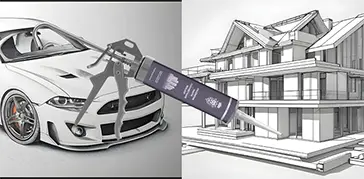
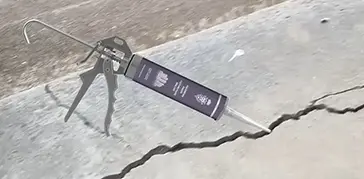
Polyurethane sealant is a material that provides effective filling for cracks, gaps, and joints in walls. It plays a critical role in the construction industry for the durability and insulation of structural elements, and in the automotive industry for the insulation of vehicle body joints. This article will examine in detail the application techniques for wall filling with polyurethane sealant, points to consider, and industry-specific tips.
1. The Importance of Wall Filling Application
Cracks and gaps in walls negatively affect both structural integrity and insulation. Filling with mastic:
- It completely fills cracks and gaps, preventing water and air leaks.
- It increases the structural integrity of the building and contributes to energy savings.
- It provides vibration and sound insulation in the automotive industry.
2. Surface Preparation
Surface preparation is critical for a successful filling application:
- Dust, dirt, oil, and old filler residue must be removed from the surface.
- A suitable primer can be applied to porous surfaces.
- Do not apply directly to damp or wet surfaces; allow to dry completely.
3. Application Techniques
Techniques to consider when applying polyurethane sealant to wall filling:
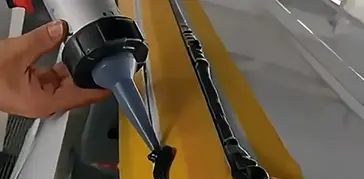
- A gun or spatula can be used to neatly fill gaps and cracks.
- For thick gaps, layered application should be done, and each layer should be allowed to dry.
- The sealant must be pressed evenly onto the surface, and no air bubbles should remain.
4. Drying Time and Hardening
In wall filling applications, the drying time of the mastic is important for the quality of the application:
- Surface drying usually occurs within 1–2 hours.
- Full hardening may take 12–24 hours; it may take longer in areas where thicker fillers have been used.
- Interventions made without paying attention to the drying time can cause cracking and separation.
5. Application Recommendations in the Construction Sector
- Gaps in windows, doors, and exterior wall joints should be filled with mastic.
- Ventilation should be ensured in damp areas such as bathrooms and kitchens after application.
- In joints requiring thicker fillers, layered application should be used to reduce the risk of cracking.
6. Application Recommendations in the Automotive Sector
- The gaps between vehicle body panels and door joints should be filled with mastic.
- Careful filling is required at the trunk and engine hood junctions to provide vibration and water insulation.
- Gun pressure and angle should be controlled during application.
7. Maintenance and Cleaning
Maintenance and cleaning after wall filling application prolongs the life of the filling:
- Excess mastic should be removed with a spatula or cloth.
- If layering is used, the next layer must be applied only after each layer has dried.
- In exterior facade applications, the effects of UV rays and sunlight should be monitored, and protection should be provided if necessary.
8. Avoiding Mistakes
- Complete surface preparation.
- If a thick filling is needed, layered application is preferable.
- Pay attention to the institution's timeframe and do not interfere.
- Avoid leaving air bubbles and press the sealant evenly.
The information in this text may vary from time to time depending on the manufacturer. Always check the product label.