Durability of Polyurethane Sealant
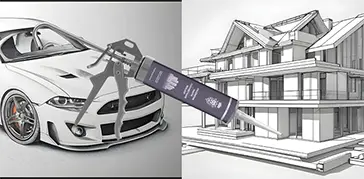
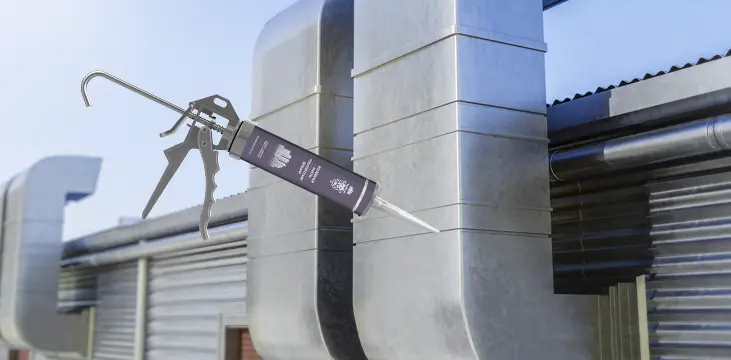
Polyurethane sealant stands out in the construction and automotive industries for its high durability in joint filling and insulation solutions. With proper application and surface preparation, the sealant can maintain its elasticity and adhesion strength for many years. In this article, we will examine in detail the factors affecting the durability of polyurethane sealant, application tips, and industry-specific recommendations.
1. Factors Affecting Resistance
- Surface Preparation: Ensuring the surface is clean and dry increases the durability of the sealant.
- Application Thickness: Exceeding or underapplying the recommended joint thickness may reduce durability.
- Expansion and Contraction: Due to its flexible structure, polyurethane sealant is resistant to expansion and contraction movements, but excessive tension may affect performance.
- Environmental Conditions: UV light, humidity, temperature changes, and chemical agents can affect durability.
2. Resilience in the Construction Sector
- Sealant used in wall, ceiling, window, and door joints should retain its elasticity for many years.
- The durability of sealant is critical for providing water insulation, sound insulation, and energy savings.
- Layered application in wide joints is a technique that increases durability.
- Incorrect application or incomplete grouting increases the risk of cracking and leakage.
3. Durability in the Automotive Sector
- Sealant used in door, trunk, and engine hood joints must be resistant to vibration, temperature changes, and water.
- In narrow and constricting spaces, mastic must retain its expansion properties.
- Even with high-speed applications on the production line, the sealant performance must remain stable.
- Post-application drying and elasticity tests guarantee durability.
4. Tips for Long-Lasting Sealant
- Surface cleaning and drying must be ensured.
- The appropriate amount of sealant should be applied according to the recommended joint thickness and width.
- Elastic sealant should be chosen to accommodate expansion and contraction movements.
- Protective measures should be taken against sunlight, humidity, and chemicals.
5. Methods for Testing Durability
- Mastic elasticity and adhesion tests can be used to measure durability.
- Water and air permeability tests are applied in the construction industry.
- In the automotive industry, sealant durability is verified through vibration and temperature tests.
- Regular maintenance and inspections guarantee long-lasting performance.
6. Sector-Focused Recommendations
- In construction, surface and joint measurements must be carefully taken before applying mastic.
- In the automotive industry, sealant durability must be tested on the production line.
- Durability is increased through post-application curing time and expansion control.
The information in this text may vary from time to time depending on the manufacturer. Always check the product label.