Advantages and Disadvantages of Polyurethane Sealant
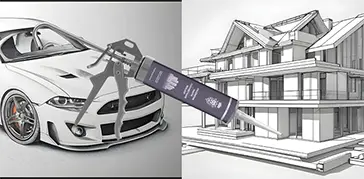
Polyurethane sealant is an important construction chemical known for both its advantages and limitations in the construction and automotive industries. This article will examine the benefits and drawbacks of using sealant in detail.
1. Advantages
Polyurethane sealant is preferred in many applications due to its various properties:
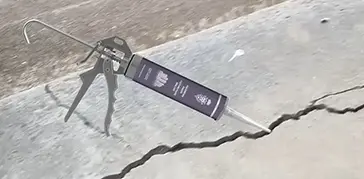
- High Durability: Provides resistance to cracking and deformation, offering long-lasting filling and insulation.
- Flexibility: Thanks to its elastic structure, it absorbs vibrations and movements, providing an advantage especially at joints and connection points.
- Water and Air Insulation: Provides water and air tightness at wall, window, door, and vehicle joints.
- Sound Insulation: Reduces noise and vibrations, increasing comfort both in living spaces and inside the vehicle.
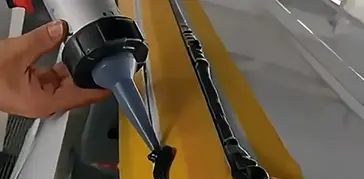
- Various Application Types: Different types exist, such as elastic, fast-curing, and structural sealants, and can be used according to needs.
- Chemical Resistance: Most structures are resistant to chemicals and external influences.
2. Disadvantages
Despite its advantages, there are also some disadvantages to consider when using polyurethane sealant:
- Application Sensitivity: Cracking or separation may occur if surface preparation and correct application techniques are not applied.
- Curing Time: In applications involving thick fillers, the full curing time may be longer; rushing the process will reduce performance.
- UV and Sunlight Effects: In exterior applications, prolonged UV exposure can cause surface deformation or discoloration.
- Cost: Some types may be more expensive than others, but they offer the advantage of longer lifespan and better performance.
- Chemical Interaction: Caution is required when in contact with certain surfaces or solvents.
3. Recommendations for Use in the Construction Sector
- Elastic and structural sealants should be preferred at joints and connection points.
- In exterior facade applications, precautions should be taken against UV rays and moisture damage.
- Layered application should be performed in areas requiring thick filling.
4. Usage Recommendations in the Automotive Sector
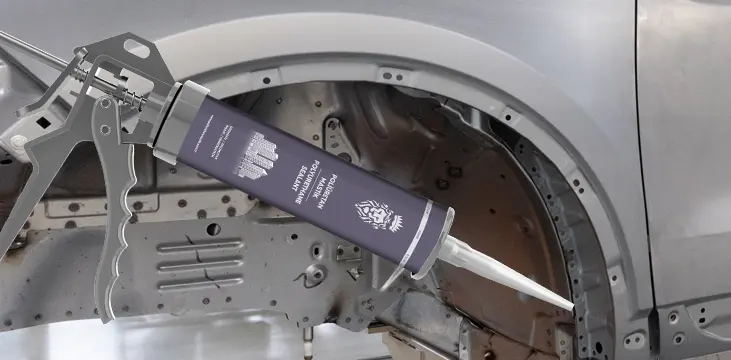
- Fast-curing or sealing sealants should be used at the body and door joints.
- Water and vibration insulation must be provided at the junctions of the trunk and engine hood.
- The drying time after application should be checked, and no pressure should be applied.
5. Performance Improvement Suggestions
- By paying attention to surface preparation and drying time, the performance of the sealant is maintained for a long time.
- Layered application enhances both filling and insulation properties.
- Regular checks and maintenance ensure that the benefits are maximized.
The information in this text may vary from time to time depending on the manufacturer. Always check the product label.