Polyurethane Sealant Defects
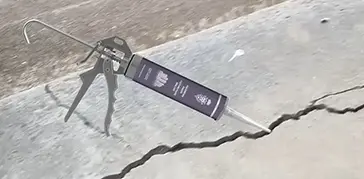
Errors in polyurethane sealant application can lead to serious problems in both the construction and automotive industries. Incorrect application, lack of surface preparation, or failure to pay attention to drying time can cause cracking, loss of adhesion, and insulation problems. In this article, we will examine in detail the common mistakes made in polyurethane sealant application, their causes, and solutions.
1. Surface Preparation Errors
The success of sealant application largely depends on surface preparation. Surface defects are among the most common problems:
- Failure to remove dust, dirt, oil, or old sealant residue will prevent the sealant from adhering.
- Applying to damp or wet surfaces will prolong drying time and cause adhesion problems.
- Using an unsuitable primer on porous and rough surfaces will result in gaps not being fully filled.
2. Application Thickness and Layer Defects
Applying the wrong thickness or doing it all at once can lead to errors:
- If a thick layer of filler is applied all at once, the inner layers will not fully harden, increasing the risk of cracking.
- If layered application is not performed, expansion space will not be created, and the sealant may separate from the surface.
- If a thin layer of filler is used, the voids may not be completely filled, resulting in inadequate insulation.
3. Curing Time Errors
Failure to pay attention to the drying time of the sealant can create serious problems:
- Applying further processing or pressure to the surface before the curing period is complete will cause cracking and deformation.
- Rapid intervention, especially in layered applications, can lead to insufficient hardening of the substrate.
- Failure to consider humidity or low temperatures will prolong drying time and reduce performance.
4. Mistakes in Using the Right Handgun and Equipment
Application equipment failures are also among the frequently encountered problems:
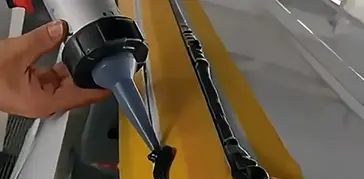
- In gun-based applications, incorrect pressure control can lead to overflows or insufficient filling.
- Using an old or clogged gun will obstruct the flow of sealant and prevent proper application.
- An incorrect application angle will result in uneven filling of corners and joints.
5. Errors Caused by Environmental Factors
- Applying the product in high humidity or low temperatures negatively affects drying and adhesion.
- Applying the sealant in windy or dusty conditions can cause dirt and foreign matter to remain on the surface.
- Failure to take precautions in sealants directly exposed to UV and sunlight can lead to premature hardening and cracking.
6. Common Mistakes in the Construction Industry
- Insufficient filling or faulty surface cleaning in window and door joints.
- The thick application technique and lack of attention to drying time in exterior wall joints.
- Lack of moisture control and prompt intervention in bathroom and kitchen grout lines.
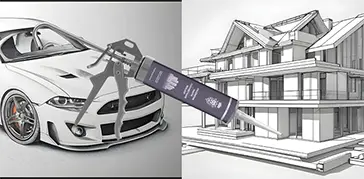
7. Common Mistakes in the Automotive Industry
- Using the gun at the wrong pressure and angle at vehicle body joints.
- Avoid applying a layered coating at the joints of the trunk and engine hood.
- Lack of surface preparation on metal and plastic surfaces.
8. Suggestions for Preventing Errors
- Thorough surface preparation; removing dust, dirt, oil, and old sealant residue.
- Planning the sealant thickness and layers correctly, and applying it in layers when necessary.
- To implement the procedure in accordance with the established timeframe and not to interfere.
- Keeping application equipment clean and in good condition.
- Monitoring environmental conditions; paying attention to humidity, temperature, and UV exposure.
The information in this text may vary from time to time depending on the manufacturer. Always check the product label.