Polyurethane Sealant Cleaning and Maintenance
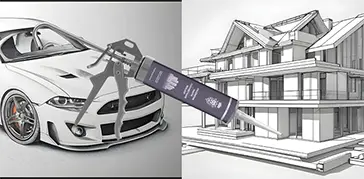
Polyurethane sealant application becomes long-lasting with proper cleaning and maintenance. Especially in the construction and automotive industries, sealant plays a critical role in terms of both structural integrity and insulation performance. This article will examine in detail cleaning methods after sealant application, maintenance tips, and industry-specific recommendations.
1. Importance of Cleanliness
Cleaning after sealant application both preserves application quality and extends equipment life. Hardened sealant can cause problems for surfaces and application equipment. Therefore, the cleaning process must be done correctly and promptly.
2. Cleaning of Application Equipment
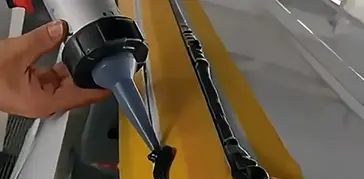
- Guns and tubes: After applying the sealant, the gun and tubes must be cleaned before hardening. Otherwise, the gun will clog and its performance will decrease.
- Spatulas and shaping tools: Spatulas or shaping tools used should be cleaned before the sealant hardens.
- Cleaning solvents: Suitable solvents can be used during application. Alcohol-based or specialized sealant cleaners are preferable.
3. Surface Cleaning
Any excess or overflowing sealant must be removed from the surface after application.
- Excess mastic can be removed with a spatula or cloth before it hardens.
- Hardened sealant can be carefully removed with a cutter or scraper, but care should be taken not to damage the surface.
- Remaining stains can be cleaned with a damp cloth or a suitable solvent.
4. Maintenance Tips
Regular maintenance after sealant application extends the life of the material and preserves its performance:
- Sealants exposed to UV rays and sunlight in exterior or vehicle applications should be checked regularly.
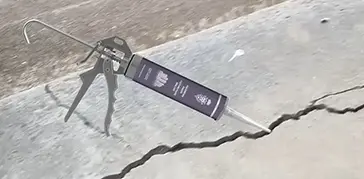
- When signs of cracking or deformation are observed, prompt action should be taken.
- In damp or water-exposed areas, the sealant surface should be cleaned regularly to prevent water accumulation.
- If necessary, the flexible filler layer can be renewed or maintenance procedures can be performed.
5. Maintenance Recommendations in the Construction Industry
- Window and door joints should be checked regularly, and the sealant should be replaced if cracks or gaps appear.
- Mold or moisture buildup should be prevented in bathroom and kitchen applications.
- Surface tests for UV resistance should be performed on exterior facade sealants.
6. Maintenance Recommendations in the Automotive Industry
- Vehicle body and door joints should be checked regularly, and any cracks or breaks in the sealant should be addressed.
- Waterproofing should be ensured at the joints of the trunk and engine hood, and the risk of leaks should be checked.
- The sealant areas providing vibration and noise insulation should be regularly inspected and additional applications should be made if necessary.
7. Additional Recommendations for Long-Lasting Use
- Surface cleaning and preparation must be done correctly during sealant application.
- Layered application should be preferred over a single, thick filling.
- The appropriate drying time for the type of sealant should be observed, and no intervention should be made before it has hardened.
- Ventilation and maintenance should be provided after application in outdoor or humid areas.
The information in this text may vary from time to time depending on the manufacturer. Always check the product label.