What is Polyurethane Sealant?
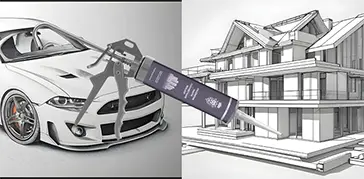
Polyurethane sealant is a flexible filler material used in the construction and automotive industries to fill gaps, cracks, and joints, and to provide water, air, and sound insulation. Thanks to its polyurethane-based chemical structure, it provides both strong adhesion and remains flexible even when hardened. These properties make it an ideal solution for window and door installations, facade applications, vehicle installations, and vibrating joints.
Properties of Polyurethane Sealant
Polyurethane sealants provide high performance in both the construction and automotive industries. Their key properties include:
- High Adhesion Strength: Adheres strongly to many surfaces such as concrete, aluminum, steel, wood, and glass. Provides effective bonding on metal and plastic surfaces in automotive applications.
- Flexibility: Remains flexible even when hardened; reduces the risk of cracking at vibration and moving joints.
- Durability: Provides durable filling and insulation for many years, suitable for exterior facade and roof connections in construction projects.
- Water and Air Tightness: Provides water insulation and airtightness; in automotive applications, it offers water and dust tightness at vehicle body joints.
- Easy Application: Easily applied with a gun or tube, allowing for gap filling by simply squeezing out the desired amount.
Applications in the Construction Industry
In the construction industry, polyurethane sealant plays a critical role in filling and sealing building elements:
- Filling gaps and providing insulation during window and door installations.
- Providing sound and heat insulation at wall, ceiling, and floor joints.
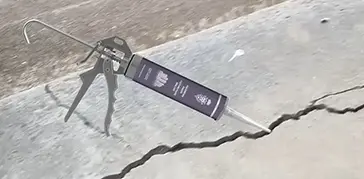
- Filling cracks and gaps, and providing waterproofing in exterior facade applications.
- Used as a flexible filler material in roofs, balconies, and joint connections.
- Decorative and durable filler application for delicate architectural joints.
Applications in the Automotive Industry
In the automotive industry, polyurethane sealant is an important material in terms of both safety and performance:
- To reduce gaps and vibrations at the joints of vehicle body panels, doors, and trunk.
- To provide water and dust resistance; to create a watertight seal in the vehicle cabin.
- To provide flexible padding and insulation between engine hoods and roof panels.
- To provide sound insulation; to improve driving comfort by absorbing vibrations.
- In the automotive industry, it provides long-lasting filler material without damaging paint and metal surfaces.
Types of Polyurethane Sealants
There are different types of sealants available to meet the specific needs of both the construction and automotive industries:
- Standard Polyurethane Sealant: Suitable for general filling and sealing applications.
- Fast-Drying Sealant: Preferred for emergency repair and assembly jobs.
- Highly Flexible Sealant: Used in earthquake-resistant or mobile joints.
- Waterproof Sealant: Suitable for exterior walls, bathrooms, kitchens, or vehicles where waterproofing is required.
- Automotive Sealant: Provides vibration and water insulation on metal and plastic surfaces; specifically designed for vehicle bodies and joints.
Polyurethane Sealant Application Techniques
Correct application is critical to the performance and durability of the sealant:
Surface Preparation
The surface must be clean, dry, and smooth. Dust, dirt, oil, or old filler materials must be removed. In automotive applications, the surface must be degreased and primed.
Mastic Tightening and Filling
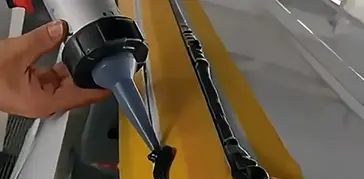
Gun application ensures that the sealant fills the gaps in a controlled and even manner. It should be applied in layers according to the depth of the gap, and expansion allowance should be left. Waiting a short time between layers prevents overflow. Excessive filling in a single application should be avoided, especially at vehicle joints.
Shaping and Cleaning
The applied sealant can be shaped with a spatula or glove. Excess material should be removed before it hardens. The gun and equipment must be cleaned thoroughly after application; otherwise, clogging and loss of performance will occur.
Durability and Advantages of Polyurethane Sealants
- It provides long-lasting and durable filling.
- Its flexible structure minimizes the risk of cracking.
- Its water and air impermeability increases energy efficiency.
- It absorbs vibrations in both construction and automotive applications.
- It is easy to apply and dries quickly, increasing work efficiency.
Points to Consider
- The surface must be cleaned and dried before application.
- Safety equipment such as gloves, goggles, and masks should be used during the procedure.
- Low-expansion sealant should be preferred for sensitive gaps.
- The application should be done in layers, and expansion allowance should be left.
- The gun and equipment should be cleaned after use.
The information in this text may vary from time to time depending on the manufacturer. Always check the product label.